
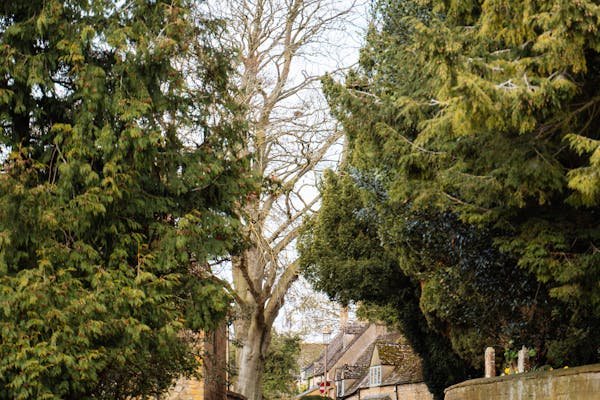
The Cotswolds, a region in south-central England, is world-renowned for its stunning architectural beauty. This unique aesthetic is defined primarily by the use of the local honey-colored Cotswold stone, an oolitic limestone that glows warmly under the English sun. Spanning across six counties—Gloucestershire, Oxfordshire, Somerset, Warwickshire, Wiltshire, and Worcestershire—the architecture here is not just a style but a testament to the relationship between the land and the people who have inhabited it for centuries.
The Geological Foundation: Oolitic Limestone
To understand Cotswold architecture, one must first understand the stone. The region sits upon a bed of Jurassic limestone, formed millions of years ago. This stone, known as ‘oolite’ due to its egg-like grain structure, varies in hue from the north to the south. In the north, around Chipping Campden, the stone is a rich, deep honey-gold. As you move south toward Bath, it pales to a delicate creamy white. This natural variation ensures that while the region feels cohesive, every village has its own distinct personality.
The stone was historically easy to quarry and relatively soft when first cut, allowing local craftsmen to carve intricate details. However, upon exposure to the air, it hardens, becoming a durable shield against the elements. This property has allowed buildings from the 14th and 15th centuries to remain standing today, looking almost as they did when the last mason laid his tools down. The stone’s thermal properties also make it an excellent insulator, keeping interiors cool in the summer and retaining heat during the damp English winters.
The Wool Churches: Monuments of Prosperity
During the Middle Ages, the Cotswolds was the center of the English wool trade. The “Cotswold Lion” sheep produced high-quality wool that was exported across Europe, bringing immense wealth to local merchants. Much of this wealth was poured into the construction of grand “Wool Churches,” which served as both spiritual centers and symbols of civic pride.
Architecturally, these churches represent the Perpendicular Gothic style at its peak. Features include massive windows with delicate stone tracery, allowing light to flood the interiors, and towering spires that acted as landmarks across the rolling hills. The Church of St. James in Chipping Campden and St. John the Baptist in Burford are prime examples of how architectural ambition was fueled by commercial success. These structures often feature elaborate fan vaulting and ornate wood carvings, showcasing the highest levels of medieval craftsmanship.
Domestic Architecture: From Manors to Cottages
The domestic architecture of the Cotswolds is perhaps its most famous export. The classic Cotswold cottage is characterized by several key features that have become synonymous with English country living:
- Steeply Pitched Roofs: Originally designed to accommodate stone slates (which are heavy and require a steep angle to shed water) or thick layers of thatch.
- Mullioned Windows: Stone dividers between glass panes, often topped with “dripstones” or “hoodmolds” to divert rainwater away from the window opening.
- Gables: Many houses feature multiple gables, sometimes with decorative finials at the peaks, creating a rhythmic and vertical visual appeal.
- Dry Stone Walls: No exploration of the region is complete without mentioning the miles of walls built without mortar, a masterclass in structural balance and patience.
The Evolution of the Manor House
While the cottages provide the charm, the manor houses provide the grandeur. Cotswold manor houses, such as Snowshill Manor or Stanway House, evolved from fortified medieval dwellings into comfortable Elizabethan and Jacobean estates. These buildings often feature extensive gardens that are integrated into the architectural plan, using stone terraces and balustrades to bridge the gap between the built environment and the natural landscape. The use of “E” or “H” shaped floor plans was common during this era, reflecting the social hierarchies and domestic needs of the landed gentry.
The Arts and Crafts Movement Influence
In the late 19th and early 20th centuries, the Cotswolds became a sanctuary for followers of the Arts and Crafts movement. Figures like William Morris, Ernest Gimson, and the Barnsley brothers were drawn to the region’s traditional building methods and honest use of materials. They didn’t just preserve the architecture; they revitalized it, ensuring that traditional masonry, smithing, and carpentry skills were passed down to new generations.
This movement reinforced the idea that a building should look as though it “grew” out of the ground. It is this philosophy that maintains the region’s charm today, as modern extensions and new builds are often required to adhere to these strict traditional standards to preserve the visual harmony of the landscape. The movement also emphasized the importance of the interior, with hand-crafted furniture and textiles designed to complement the stone walls and timber beams.
Vernacular Details and Hidden Gems
Beyond the major landmarks, the beauty of the Cotswolds is found in the small, vernacular details. Look closely at the “stone tents” in churchyards—unique barrel-shaped tombs found only in this region. Observe the variety of chimney stacks, often built in elaborate brick patterns or simple stone cylinders. Even the ironwork on gate hinges and door latches often reflects local patterns that have remained unchanged for centuries. Villages like Castle Combe and Bibury offer a concentrated look at these details, where every corner reveals a new architectural surprise.
Modern Preservation and Challenges
Preserving such a vast and historic architectural landscape is no small feat. The Cotswolds is an Area of Outstanding Natural Beauty (AONB), and planning regulations are among the strictest in the UK. While this ensures the “chocolate box” aesthetic remains intact, it poses challenges for modern living. Retrofitting ancient stone cottages with modern energy-efficient technology requires a delicate balance between conservation and sustainability. Architects today are finding innovative ways to use Cotswold stone in contemporary designs, proving that this ancient material still has a place in the 21st century.
Conclusion: A Living Heritage
The beauty of Cotswold architecture lies in its consistency and its connection to the earth. It is a rare example of a vernacular style that has survived the industrial revolution and modern globalization relatively unscathed. By walking through these villages, one isn’t just looking at pretty houses; one is witnessing a thousand-year-old conversation between geology, economy, and art. The Cotswolds remains a beacon of architectural integrity, reminding us of the power of local materials and traditional craftsmanship.